

Virtual Reality Readiness Training
Mental Readiness for High-Risk, High-Consequence Operations
In high-risk operational environments, technical proficiency alone is not enough. Mission success depends on cognitive readiness, emotional regulation, and decision-making under pressure.
Neuro Journey’s Virtual Reality (VR) Readiness Training prepares leaders and operational personnel to perform when stakes are highest — by training the brain in realistic, high-stress scenarios before real-world consequences exist.
What Is Virtual Reality Readiness Training?
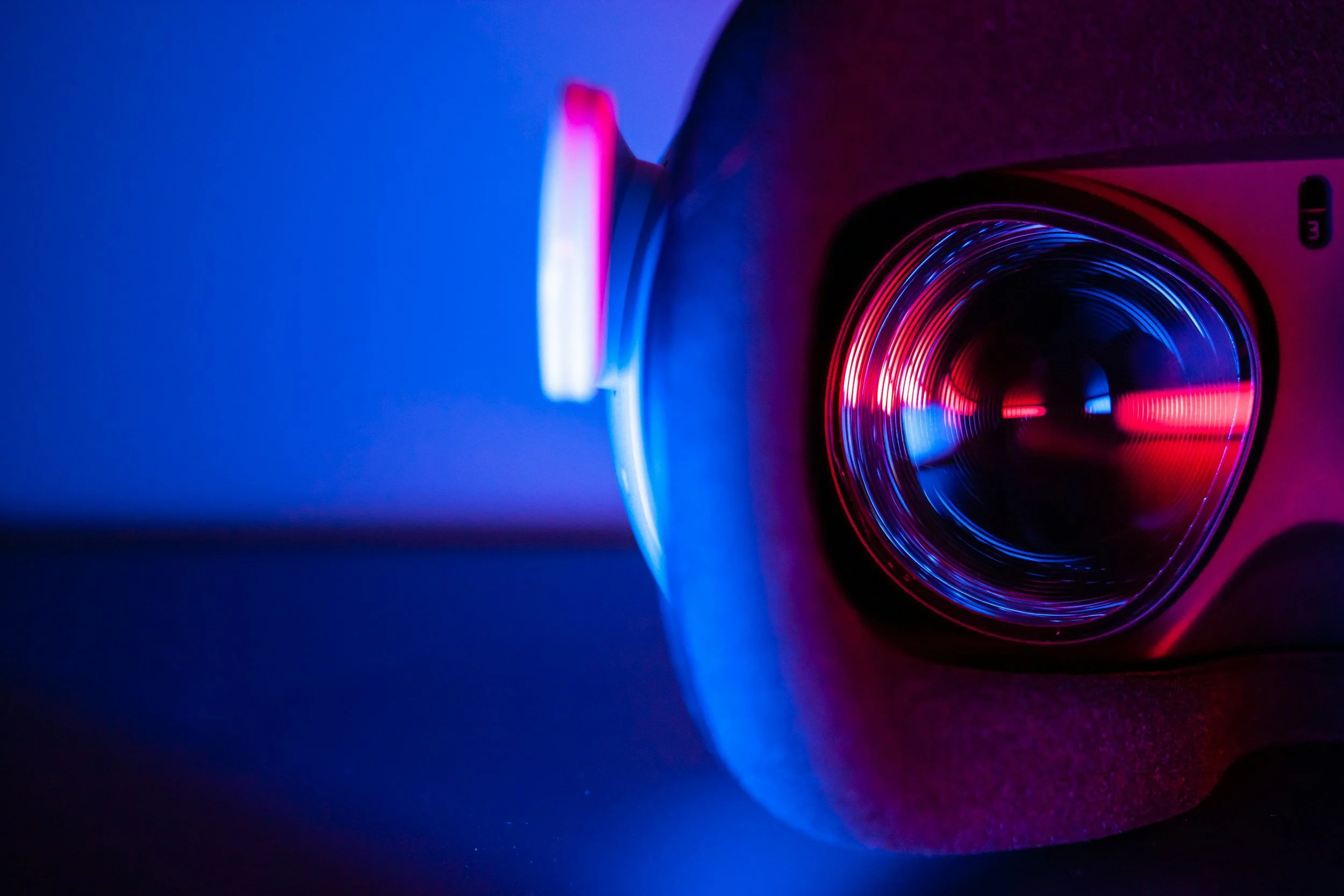
Neuro Journey’s VR Readiness Training is a neuroscience-informed, scenario-based training service that immerses participants in realistic operational environments designed to stress cognitive, emotional, and decision-making systems.
Unlike traditional simulation that focuses primarily on technical execution, VR Readiness Training targets the human performance layer — how individuals and teams think, react, recover, and decide under pressure.
Neuro Journey’s VR Readiness Training prepares the mind and nervous system for operational demands before the individual ever enters the aircraft, control room, or mission environment.
VR Readiness Training in High-Risk Operations
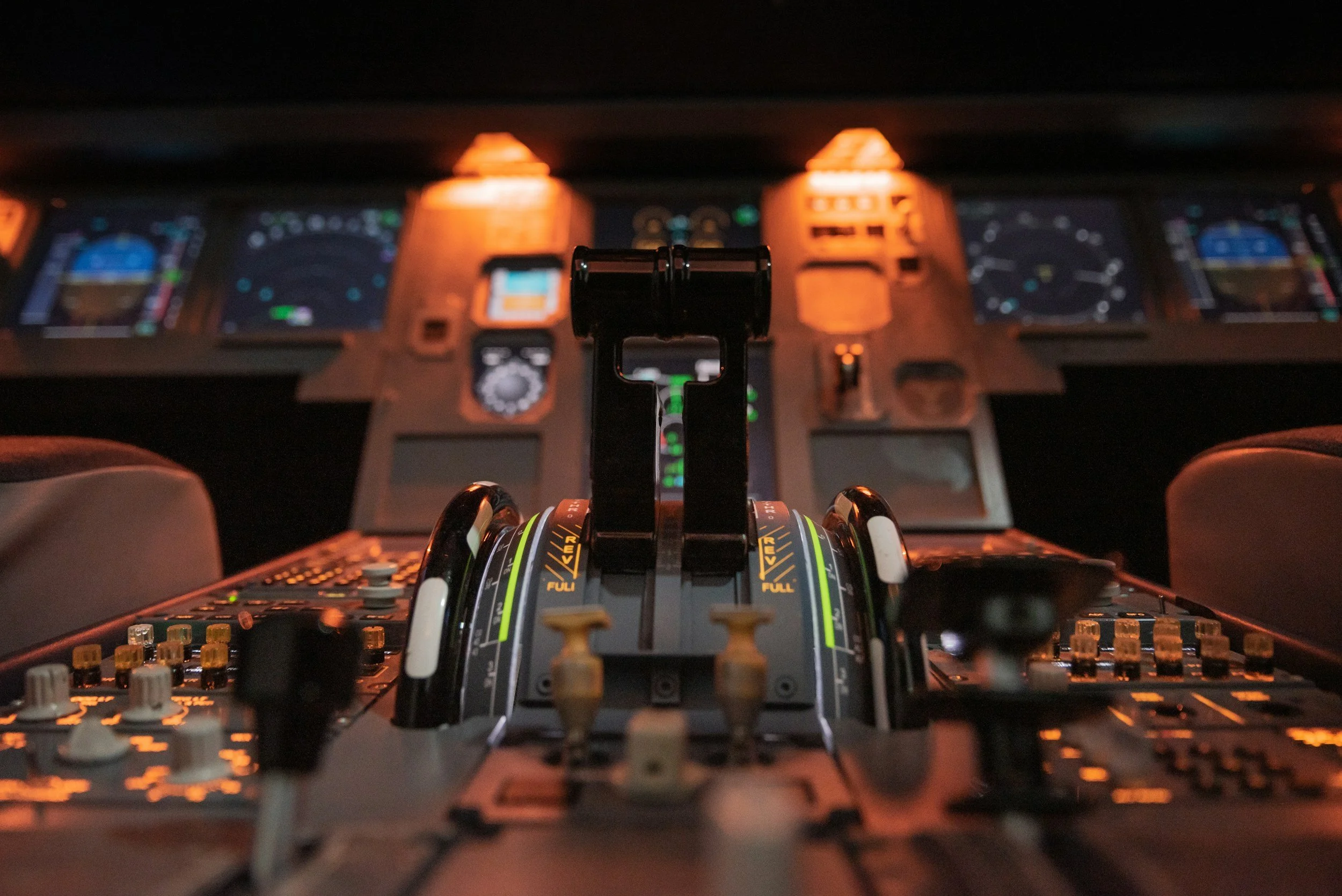
In aviation, defense, and other safety-critical domains, human performance variability is one of the greatest sources of operational risk.
VR Readiness Training allows organizations to:
Train for mental load, not just procedures
Expose cognitive and emotional stressors safely
Identify readiness gaps before they manifest operationally
Prepare leaders and teams for real-world complexity
VR Readiness Training is especially relevant for:
Aviation and aerospace operations
Department of Defense and national security missions
Command, control, and operational leadership roles
Training pipelines where readiness and reliability are critical
-
Participants engage in realistic, mission-relevant VR scenarios designed to replicate:
High workload and time pressure
Ambiguity and competing priorities
Environmental stressors and operational complexity
-
Scenarios are intentionally structured to activate:
Stress response systems
Decision-making under uncertainty
Attention, situational awareness, and cognitive flexibility
-
During and after VR sessions, Neuro Journey captures insight into:
Stress response patterns
Decision-making tendencies
Recovery and emotional regulation
-
Sessions are supported by Neuro Journey’s human performance experts, translating experience into:
Actionable performance insight
Leadership and readiness coaching
Targeted mental fitness and readiness strategies
Core Components
Prepare leaders and teams for the mental demands of real-world operations.
Speak with a Neuro Journey human performance specialist to explore how VR Readiness Training can support your mission, safety objectives, and operational readiness goals.
Start a Readiness Conversation

The Science Behind VR Readiness Training
VR is uniquely effective because it engages the brain’s perceptual, emotional, and cognitive systems simultaneously.
Neuroscience Benefits Include:
State-dependent learning: The brain learns more effectively when training conditions resemble real operational stress.
Stress inoculation: Controlled exposure builds resilience and improves stress regulation.
Neuroplasticity: Repeated, realistic experiences strengthen neural pathways related to decision-making and attention.
Embodied cognition: The brain responds as if the scenario were real, making training more transferable to operations.
Organizations that deploy VR Readiness Training gain:
Improved Decision-Making Under Pressure
Leaders and operators practice making sound decisions in realistic conditions.
Enhanced Operational Readiness
Teams are mentally prepared to perform reliably in dynamic environments.
Reduced Human-Performance Risk
Early identification of stress and performance vulnerabilities.
Stronger Leadership Capability
Leaders gain insight into how they and their teams respond under load.
Better Training ROI
Mental readiness training complements existing simulators and programs without added operational risk.